
Știința din spatele producției de placaj și standardelor de mediu
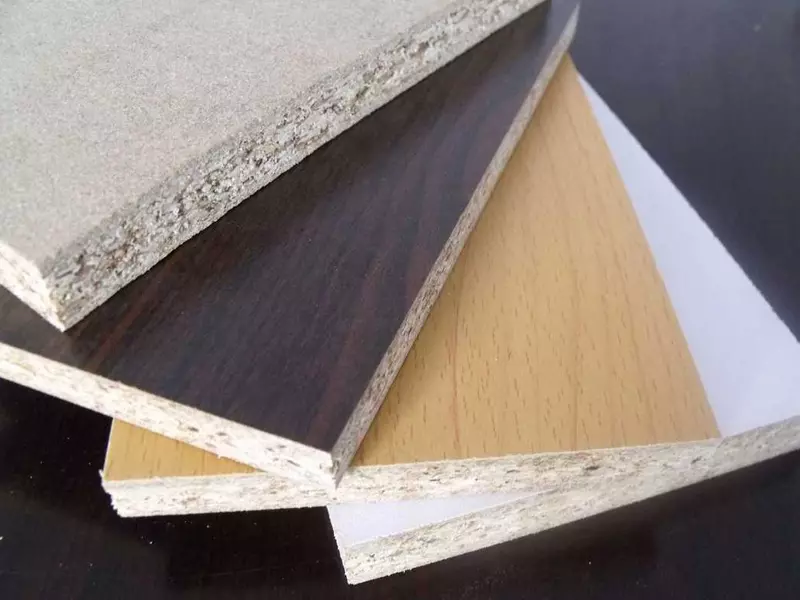
Fabricarea placajului este un proces de precizie care transformă buștenii bruti în înalți-panouri de performanta. Începe cu pregătirea buștenilor: bușteni de curățat adecvat — drept,nod-trunchiuri libere — sunt aburite pentru a înmuia lemnul, apoi se rotesc-tăiate în fațete subțiri de obicei de 0,5 până la 3 mm grosime. Aceste furniruri sunt uscate la un conținut de umiditate de 8–12%, sortat după grad, și apoi pregătit pentru lipire.
Etapa de lipire este locul în care știința întâlnește arta. Adeziv — cel mai frecvent uree-formaldehidă (UF) pentru clase de interior sau fenol-formaldehidă (PF) pentru clase exterioare — se întinde uniform pe fiecare suprafață de furnir la aproximativ 8–12 grame pe metru pătrat. Furnirurile sunt apoi stivuite într-o cruce-configuratia boabelor si pre-apăsat la 0,2–2 MPa pentru a forma un covor coeziv. Covorașul intră într-o presă fierbinte unde temperaturi de 110–140°C și presiuni de 1,0–1,5 MPa întărește adezivul și leagă permanent straturile. Total cald-timpul de presare variază de la 6 la 15 minute, în funcție de grosimea panoului.
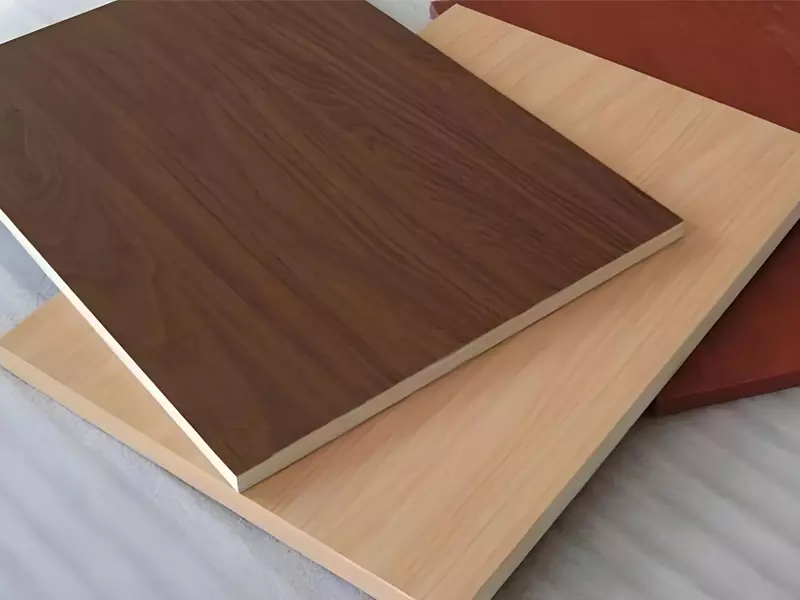
După presare, panourile sunt răcite, tăiate, șlefuite și gradate. Produsul final este testat pentru rezistența lipirii, emisia de formaldehidă, rezistența la umiditate și calitatea suprafeței. Potrivit lui GB/T 17657-2022, testele fizice și chimice riguroase asigură că fiecare lot îndeplinește standardelenaționale.
Preocupările de mediu au determinat schimbări revoluționare în tehnologia adezivilor. Rășinile UF tradiționale eliberează formaldehidă, un cancerigen de clasa I recunoscut de Agenția Internațională pentru Cercetare a Cancerului. Ca răspuns, cercetătorii au dezvoltat soia-proteine-pe bază de aldehidă-adezivi liberi. Studii recente arată că soia-adezivii pe bază, atunci când sunt modificați cu substanțe ignifuge compuși, ating o rezistență de lipire umedă de 1,12 MPa — depășind standardulnațional — reducând în același timp emisiile de formaldehidă la aproape zero. Aceste biografii-adezivii pe bază reprezintă viitorul producției de placaj verde.
GB standard din China pentru 2021/T 39600 stabilește trei grade de formaldehidă: ENF (≤0,025 mg/m?), E0 (≤0,050 mg/m?), și E1 (≤0,124 mg/m?). Standardul european EN 717-1, folosind metoda camerei, stabilește o limită E1 de 0,124 mg/m? de asemenea. Aceste standarde convergente reflectă un angajament global față de calitatea aerului din interior.
Fabricarea placajuluinu mai este doar despre putere — este vorba despre producerea de lemn prelucrat care este sigur, durabil și potrivit pentru secolul 21.
Anterior: Nu mai mult