
Strength and Stability Comparison of Three Typical Wood-Based Panels
Plywood, particle board and MDF are the three most mainstream engineered wood panels in the construction and furniture industries, and their differences in mechanical strength and dimensional stability directly determine their respective application boundaries. When selecting wood panels for engineering and design, strength indicators such as load-bearing capacity, deformation resistance and structural toughness are the primary evaluation criteria to ensure project quality and service life.
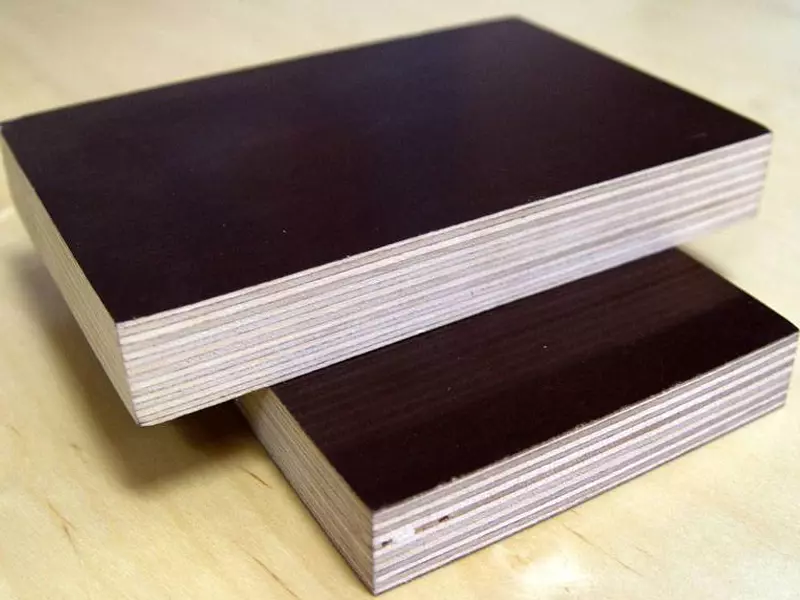
Plywood ranks first in overall structural stability and mechanical strength. Its cross-layer veneer structure effectively offsets internal wood stress, with extremely low thermal expansion and cold contraction coefficient. It can withstand long-term heavy static loads and sudden impact forces without sagging, warping or cracking. Even in environments with fluctuating temperature and humidity, plywood maintains stable dimensions and structural integrity, making it the only choice for building load-bearing structures, floor substrates and long-term durable furniture components.
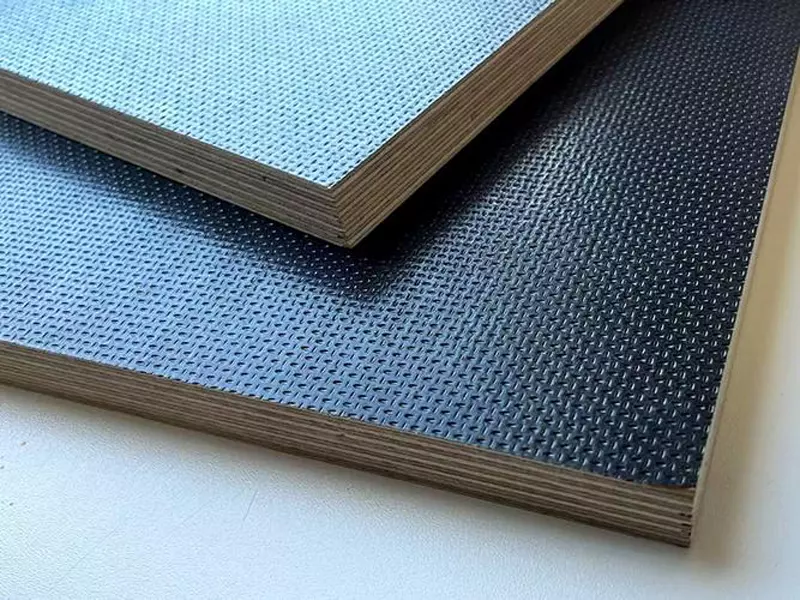
MDF has moderate and balanced structural performance. Its uniform fine fiber structure realizes isotropic stress resistance, with no strength difference in all directions. It has good bending ductility and flat compression resistance, suitable for medium-load decorative components. However, MDF has insufficient structural toughness, prone to brittle fracture under extreme impact, and cannot bear long-term heavy pressure like plywood, so it is limited to non-structural decorative fields.
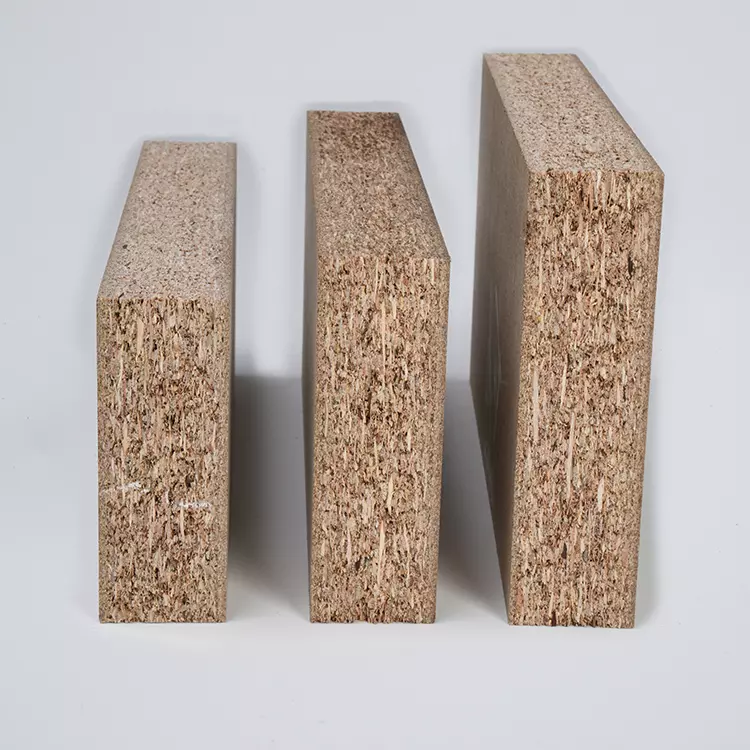
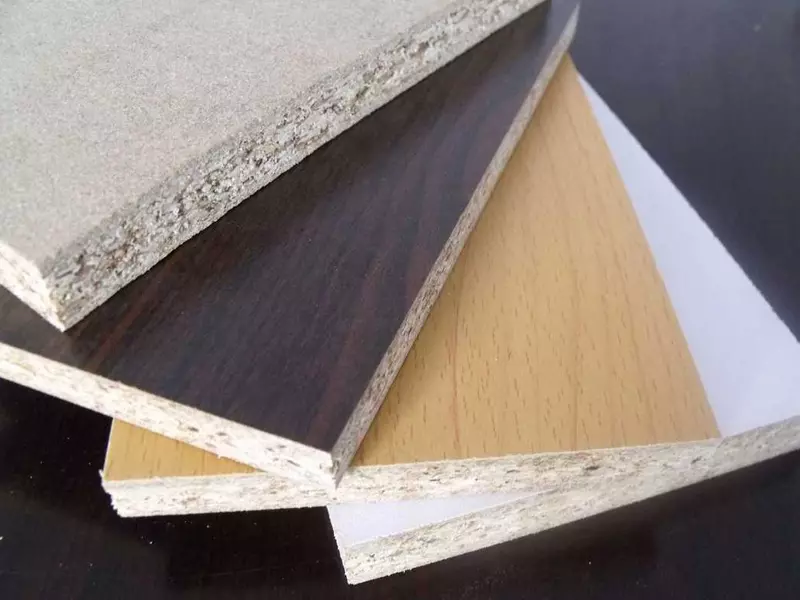
Particle board has the weakest structural performance among the three. The gap-filled particle bonding structure results in low overall compactness, poor load-bearing capacity and impact resistance. It is easy to deform under slight long-term pressure and chip during processing. In conclusion, the three panels form a clear hierarchical system: plywood for structural strength, MDF for stable decoration, and particle board for low-load practical use. Reasonable selection based on structural performance is the key to improving project quality and material utilization efficiency.