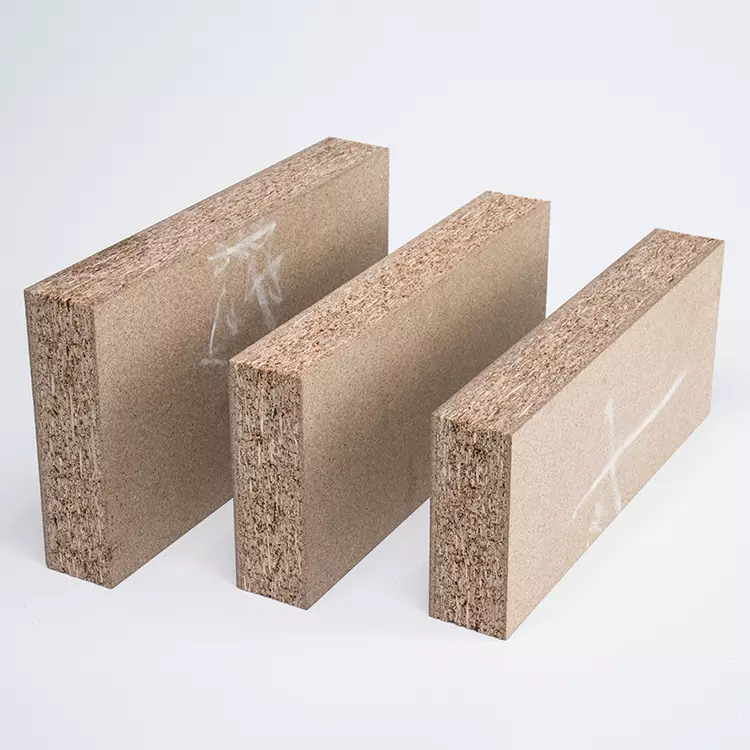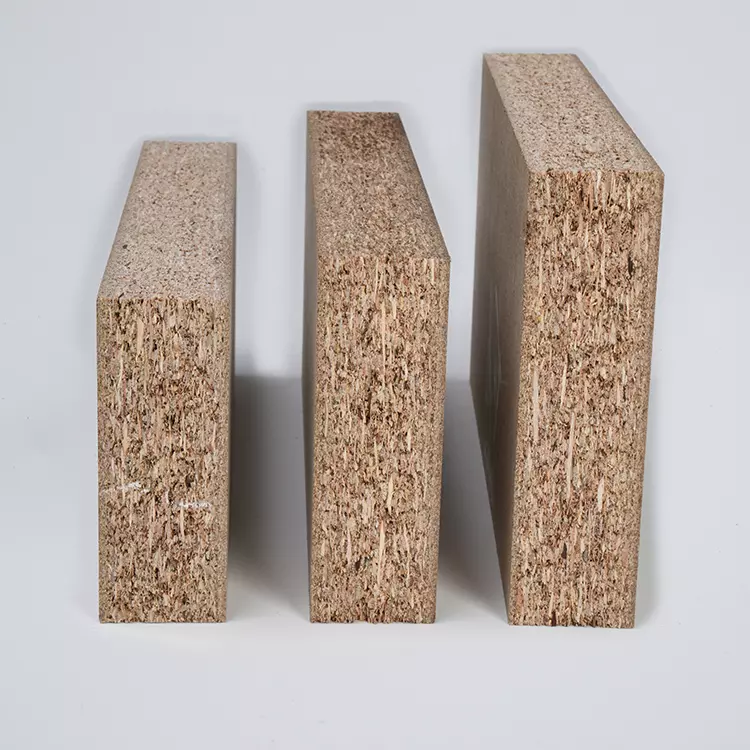

Manufacturing Process and Structural Logic of Modern Plywood
Plywood stands as one of the most mature and reliable engineered wood panels in modern construction and furniture industries, with its core value rooted in scientific manufacturing and optimized structural design. Unlike solid wood that relies on natural growth, plywood is artificially fabricated by cross-laminating multiple thin wood veneers with high-performance adhesives under strict high-temperature and high-pressure conditions. The unique cross-grain lamination technology, which arranges each veneer perpendicular to its adjacent layer, fundamentally solves the natural defects of solid wood such as directional shrinkage, warping and cracking.
The production process of plywood includes log peeling, veneer drying, glue coating, cold pressing, hot pressing, trimming and surface finishing. Every step is precisely controlled to ensure structural uniformity and stability. The odd-numbered layer design of veneers further balances internal stress, enabling the board to maintain stable dimensions under changing temperature and humidity. According to different usage scenarios, plywood can be divided into interior-grade and exterior-grade products, with exterior-grade plywood adopting waterproof phenolic glue to enhance moisture resistance and outdoor adaptability.
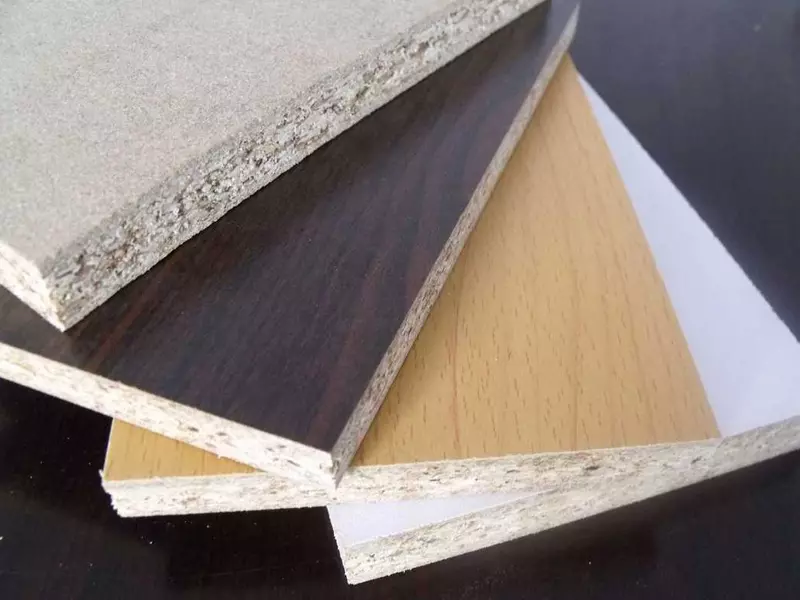
Structurally, plywood achieves a perfect balance between toughness and strength. The interlaced wood fibers disperse external pressure and impact force evenly, endowing the material with excellent tensile strength, compressive resistance and load-bearing capacity. It is far less prone to deformation than particle board and medium-density fiberboard under long-term mechanical stress. Meanwhile, plywood retains natural wood grain and texture, combining structural practicality and aesthetic value.
In practical applications, plywood is widely used in building wall sheathing, roof substrates, floor base layers, high-end furniture frames and outdoor decoration projects. Although its production cost is higher than ordinary artificial boards and its surface flatness cannot match MDF, its superior structural durability makes it irreplaceable in structural engineering. As a classic engineered wood material, plywood interprets the optimization logic of making full use of wood resources and improving material stability, and has maintained strong market vitality for decades.