
Environmental Protection and Future Development Trends of Engineered Wood Panels
With the global promotion of green buildings and sustainable forest resource utilization, engineered wood panels represented by plywood, particle board and MDF have become important environmentally friendly substitutes for natural solid wood. They not only improve wood resource utilization but also continuously optimize environmental performance, conforming to the low-carbon and sustainable development trend of the global building materials industry.
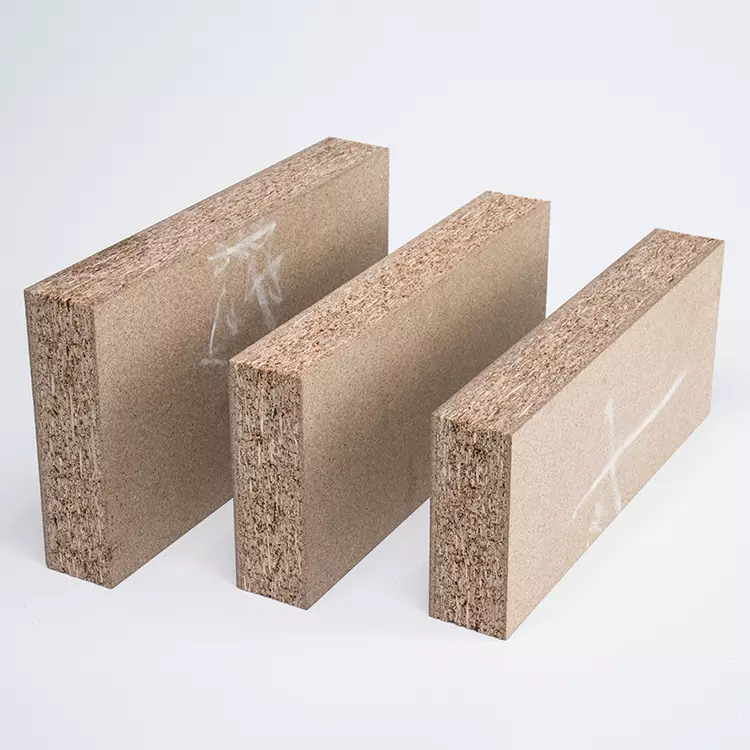
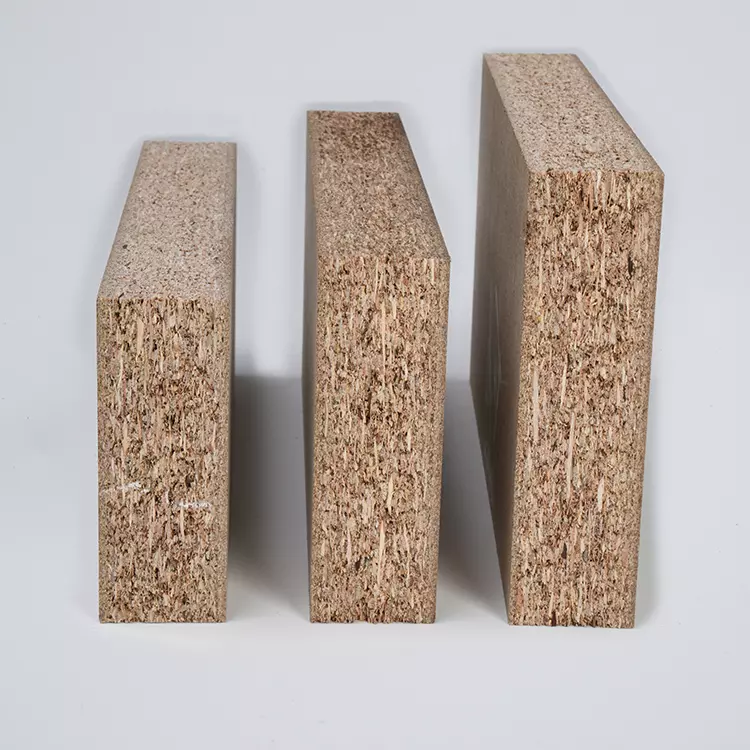
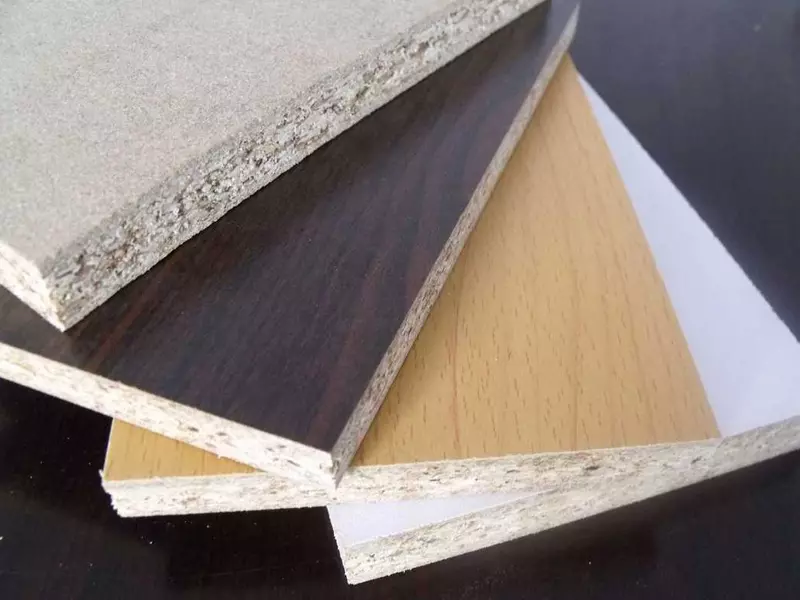
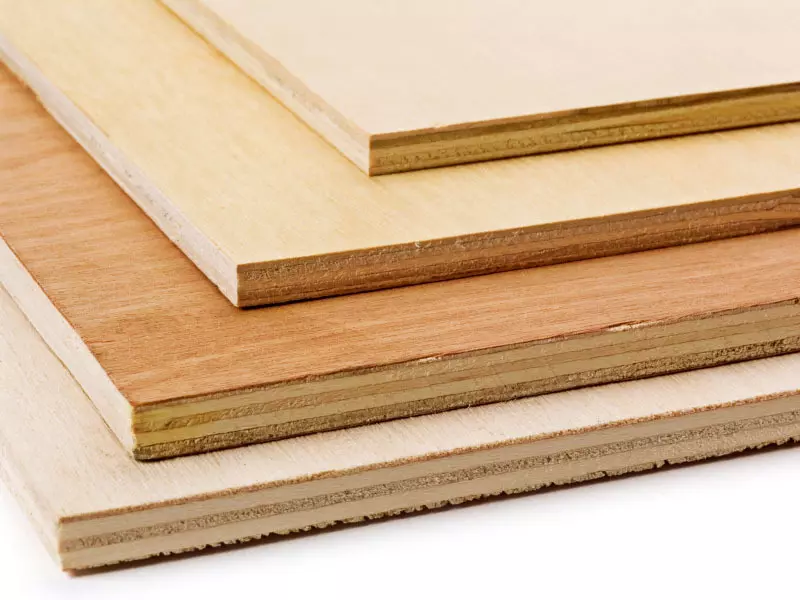
The most prominent environmental advantage of wood-based panels is resource recycling. Particle board and MDF reuse wood chips, sawdust and processing residues that are abandoned in traditional wood processing, turning waste into available building materials and greatly reducing log deforestation pressure. Plywood uses thin veneers instead of thick solid wood boards, which multiplies the utilization rate of single log. Compared with pure solid wood products, engineered wood panels reduce wood waste by more than 60%, realizing efficient utilization of forest resources.
Environmental protection upgrading of adhesive technology is the core development direction of the industry. Traditional panels rely on urea-formaldehyde glue, which has hidden dangers of formaldehyde emission. In recent years, new environmentally friendly adhesives such as soybean glue, starch glue and formaldehyde-free MDI glue have been widely applied, enabling most high-quality panels to meet international E0 and CARB environmental standards. Modern wood panels have achieved low formaldehyde or zero formaldehyde emission, ensuring indoor air quality and human health.
In the future, wood-based panels will develop towards high performance, specialization and intelligence. Modified panels with high moisture resistance, high strength and fire resistance will further expand application scenarios. Intelligent production technology will realize precise control of panel structure and quality, improving product stability and consistency. As green, economical and recyclable building materials, plywood, particle board and MDF will continue to lead the development of the wood processing industry and support the sustainable development of modern construction and home decoration.